
Introduction
SEO isn’t just about keywords, rankings, or traffic. It’s about creating a website and content that both search engines can understand and users will enjoy. Even the best websites can struggle to rank if they fall into common SEO traps.
Mistakes like choosing the wrong keywords, having slow-loading pages, or neglecting mobile optimization can seriously impact your site’s performance and stop you from reaching your goals.
In this guide, we’ll cover 10 common SEO mistakes to avoid and show you practical ways to fix them. Whether you run a blog, an online store, or a business website, avoiding these pitfalls will help you rank higher on Google and attract the right audience.
SEO Mistakes Businesses Should Avoid
The most common SEO mistakes include overlooking search intent, overusing keywords, neglecting technical SEO, and failing to optimize for mobile. Conducting regular audits, updating content consistently, and monitoring performance with tools like Google Analytics and Search Console can help prevent these issues. Still, many businesses struggle because they focus on the wrong priorities or fall behind as SEO trends evolve.
The 10 Most Common SEO Mistakes (Explained Step-by-Step)
Mistake #1 – Ignoring Search Intent
Why It’s a Problem
Ignoring search intent is one of the biggest SEO mistakes. Search intent means understanding what users are really looking for: answers, products, or specific businesses. If your content doesn’t match what people want, it won’t rank well.
How to Fix It
Research what users are searching for using tools like Google Search Console or Semrush. Create content that answers questions and meets user needs. Understanding intent ensures your content reaches the right audience.
Mistake #2 – Overlooking Technical SEO
Why It’s a Problem
Technical SEO issues, like slow page speed, broken links, or missing sitemaps, make it hard for Google to crawl and rank your site and can frustrate users.
How to Fix It
Regularly audit your site using tools like Screaming Frog or Ahrefs. Fix broken links, improve page speed, and ensure your site works well on mobile and is easy for search engines to read.
Mistake #3 – Not Optimizing for Mobile Users
Why It’s a Problem
Over 60% of searches happen on mobile. If your website isn’t mobile-friendly, you lose visitors and rankings, as Google prioritizes mobile optimization.
How to Fix It
Make your site mobile-responsive and fast. Test it using Google’s Mobile-Friendly Test and PageSpeed Insights to ensure a smooth experience.
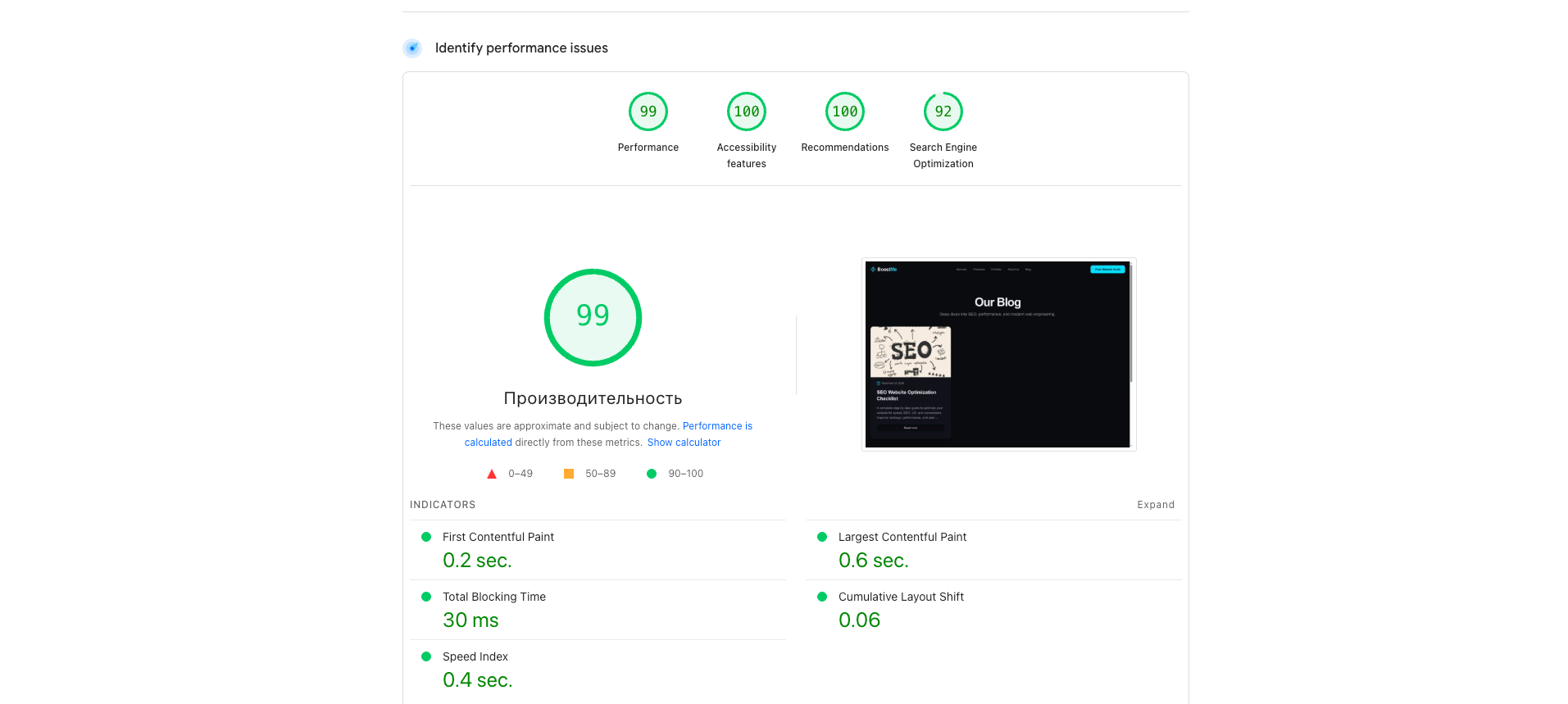
Pagespeed Insights report showing fast loading scores and optimization opportunities for boostme.pro
Mistake #4 – Keyword Stuffing
Why It’s a Problem
Overloading your content with keywords makes it unnatural and less useful. Google may penalize your site, lowering rankings.
How to Fix It
Use keywords naturally and include related terms. Write for humans first, search engines second, and make your content readable and helpful.
Mistake #5 – Neglecting Content Quality and Depth
Why It’s a Problem
Short or shallow content doesn’t perform well in search results. Google favors detailed, useful, and well-researched content.
How to Fix It
Create in-depth content with examples, expert insights, and supporting data. The more valuable your content, the better it ranks.
Mistake #6 – Poor Internal Linking
Why It’s a Problem
Internal links help Google discover all pages on your site. Weak linking can cause some pages to be missed and reduce user engagement.
How to Fix It
Link related pages with descriptive anchor text. This improves indexing and helps users navigate your website.
Mistake #7 – Not Leveraging Analytics and Data
Why It’s a Problem
Without data, you don’t know if your SEO is working. Many businesses overlook metrics like traffic, page performance, and keyword effectiveness.
How to Fix It
Use Google Analytics 4 and Google Search Console to track performance. Monitor visitors, engagement, and top-performing pages to adjust your SEO strategy.
Mistake #8 – Ignoring Local SEO (GMB Optimization)
Why It’s a Problem
For local businesses, ignoring local SEO means missing nearby customers. Your business won’t appear in local searches or Google Maps.
How to Fix It
Set up and optimize your Google My Business profile. Keep Name, Address, and Phone (NAP) consistent online. Use local keywords and get backlinks from local sources.
Mistake #9 – Forgetting About Backlinks (or Building Bad Ones)
Why It’s a Problem
Backlinks improve your site’s authority and ranking. Low-quality or spammy links can hurt your reputation. Too few links can also limit visibility.
How to Fix It
Focus on high-quality backlinks from trusted sites. Use guest blogging and digital PR, and regularly audit links to remove harmful ones.
Mistake #10 – Not Updating or Repurposing Old Content
Why It’s a Problem
Outdated content loses relevance and traffic. Google favors fresh, updated information.
How to Fix It
Update old posts with new info, data, and visuals. Repurpose content into videos, infographics, or podcasts to reach more users. Keep content fresh to maintain rankings.
Bonus Tip
SEO is constantly evolving. Test ideas regularly, update titles, add structured data, and refresh content. This increases clicks and user engagement over time.
How to Track, Audit, and Measure SEO Performance
Track SEO progress with regular audits. Monitor key metrics like traffic, engagement, and keyword performance to ensure your site performs optimally.
Conclusion
SEO is an ongoing process. Identifying and fixing these common mistakes will improve your rankings and attract more visitors. Consistency, monitoring, and regular updates are key to long-term success.
Frequently Asked Questions
What are the most common SEO mistakes that harm rankings?
Common mistakes include using the wrong keywords, slow websites, and content that doesn’t match search intent. Fixing these issues helps your site rank better and get more visitors.
How can I identify if my website has SEO issues?
Use tools like Google Search Console and Analytics to find problems like slow pages or broken links. Regular checks help catch issues early.
How often should I audit my SEO strategy?
Audit your SEO every few months. Update keywords, fix errors, and ensure content is fresh. Regular audits maintain rankings and site performance.
Can I recover from SEO mistakes once they’ve hurt my site?
Yes! Identify the issues, fix them, and track improvements. SEO recovery takes time, but consistent action yields results.
What’s the best way to future-proof my SEO strategy?
Keep your site updated, follow search engine changes, optimize for mobile, and create helpful content. Regular monitoring and improvements keep your SEO strong.